Reishi: The Mushroom of Immortality
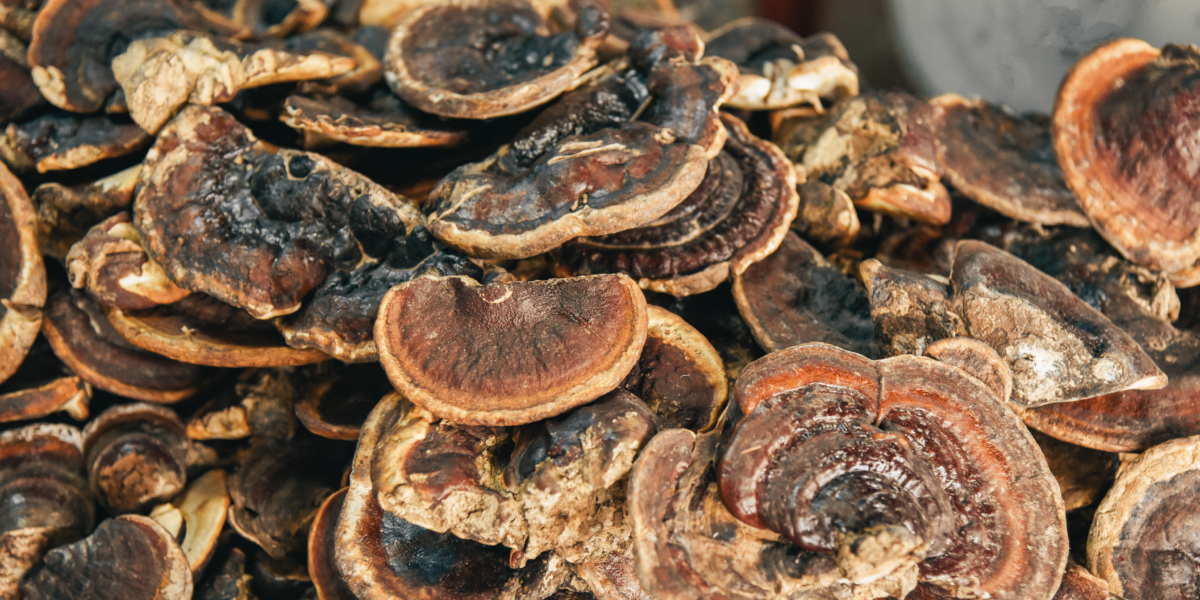

In the realm of functional fungi, Reishi mushrooms are highly regarded for their health-promoting properties. Historically, the “Mushroom of Immortality” (Lingzhi in Chinese) has been employed as a health tonic in Asia for over 4000 years to the present day. There are over a dozen species of Reishi mushrooms worldwide, all with different names but similar chemical compounds.
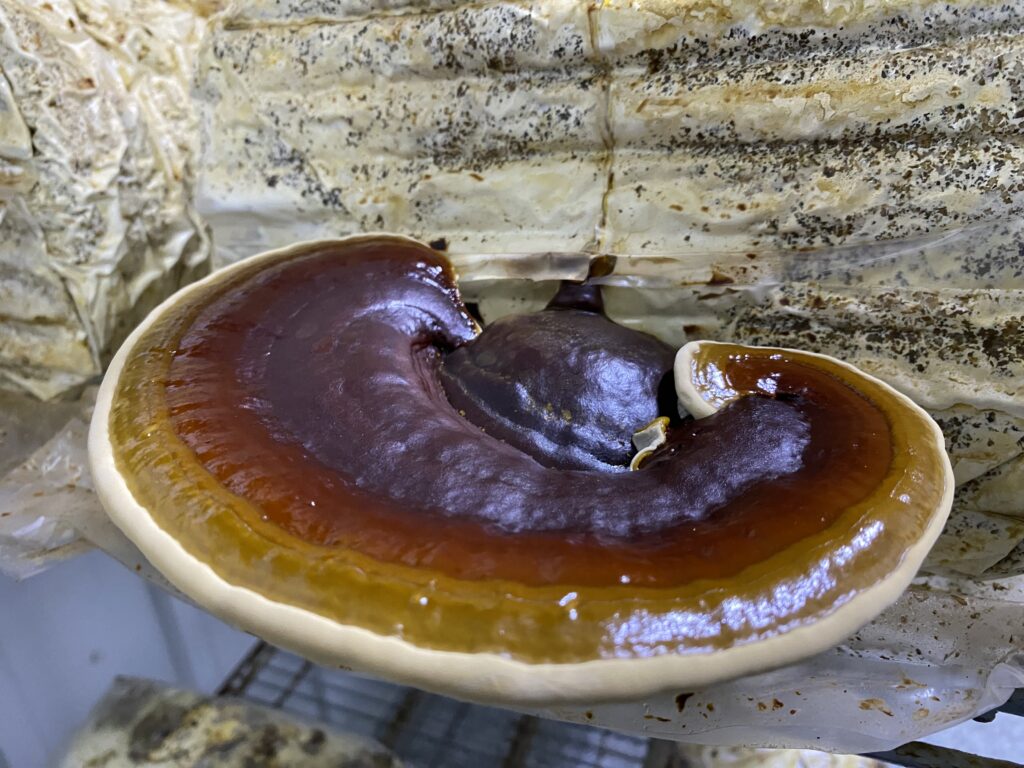
However, the most common scientific names you may see are Ganoderma lucidum, G. lingzhi, and G. sichuanense. All Reishi mushrooms grow on wood, and their texture is similarly tough and woody. Because of this, they can not be eaten like other edible mushrooms and are commonly consumed as tea, powder, or extracts. The majority of Reishi mushrooms consumed today are farmed, and many unique varieties are cultivated for their distinctive forms, colors, and chemical compounds.
- Reishi supports immune system health due to high concentrations of beta-glucans and polysaccharides
- As an adaptogen, Reishi can support the body’s ability to deal with physical and emotional stress, reduce fatigue, and promote calmness and better sleep
- High amounts of triterpenoids offer potent antioxidant activity and support healthy heart function
While a rich history of use is documented in Eastern cultures, Western scientific studies of Reishi mushrooms’ biological activity began only about 30 years ago. Despite this, recent research has accelerated, and many interesting discoveries continue to be made regarding their therapeutic potential.
The “Mushroom of Immortality” has been employed as a health tonic in Asia for over 4000 years to the present day. There are over a dozen species of Reishi mushrooms worldwide, all with different names but similar chemical compounds.
As with all herbs and supplements, it is important to consult a health-care professional and do research regarding your own conditions. Reishi mushrooms may have blood-thinning properties and, due to their immunomodulating effects, could interact with anticoagulants, immunosuppressants, and/or blood-pressure medications.